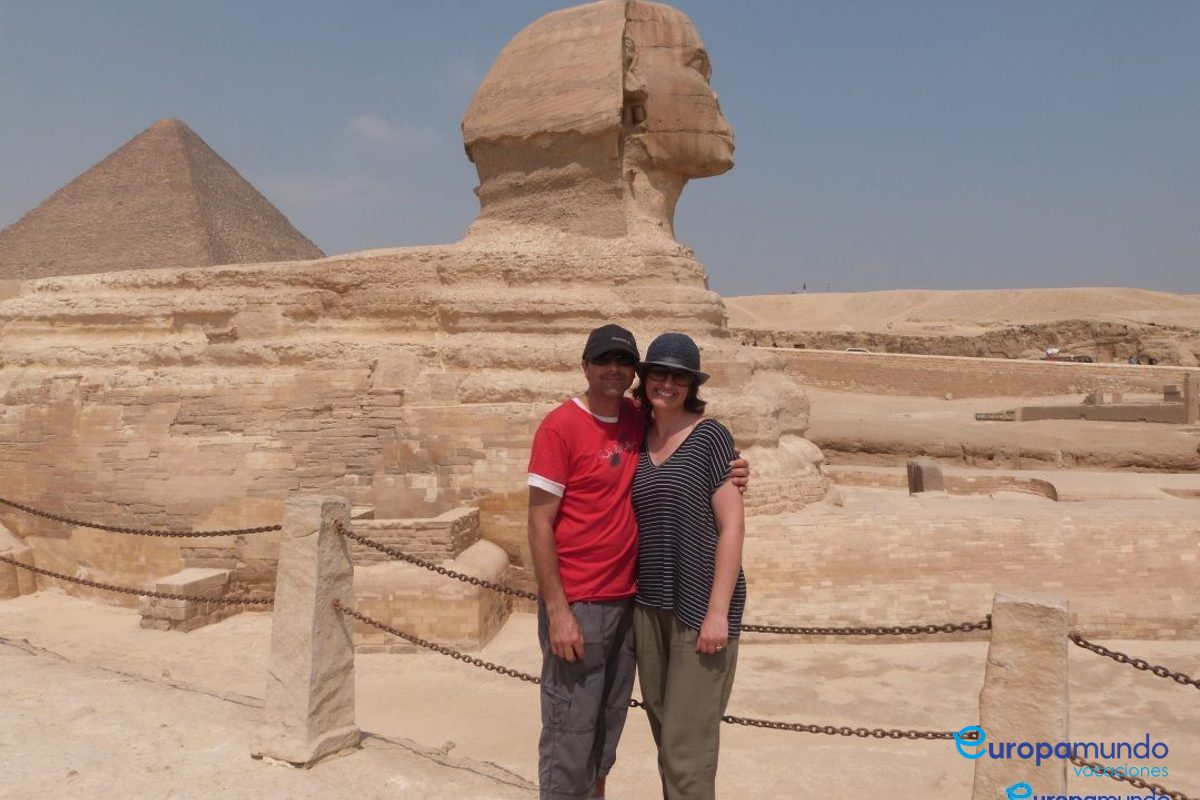
Egypt sits in a part of the world that periodically appears in news headlines for reasons unrelated to tourism. This makes nervous travellers nervous, and confident travellers occasionally over-confident. Here is what's actually happening on the ground for visitors right now, based on the clients we send and what they tell us when they come back.
Is it safe?
For tourists travelling on guided tours along the standard Nile-and-pyramids route, yes. The tourist corridor is the most heavily protected zone in the country. Cairo's Giza plateau, Luxor, Aswan, and the Nile cruise stretches between them are escorted, monitored, and have been the priority for Egyptian tourism authorities for decades.
What's not recommended is independent travel into the Sinai interior beyond the resort coast, or unaccompanied travel into the western desert. Neither of these is on any standard tour route. Stick to the established itinerary and you're moving through tourist zones with a tour director and (on some excursions) a tourism police escort.
South Africa's Department of International Relations does not currently advise against travel to Egypt. The UK, US, Australian, and Canadian travel advisories rate the standard tourist circuit as broadly safe with normal precautions.
The standard itinerary
The classic 8-to-10-day Egypt tour runs: Cairo (Giza pyramids, Egyptian Museum, old Cairo) → flight or train to Luxor → Nile cruise from Luxor to Aswan (or reverse) → Abu Simbel optional excursion → flight back to Cairo. Ten days is the sweet spot. Twelve days lets you add Alexandria and Saqqara properly.
The Nile cruise is the heart of the trip. You're on the water for three or four nights, stopping at the temples of Karnak, Luxor, Edfu, Kom Ombo, and Philae. Mornings are guided excursions; afternoons are deck time as the river slips past. It's the original cruise route, and it's still the best way to see the Egypt you came for.
The Grand Egyptian Museum
The new Grand Egyptian Museum on the Giza plateau, finally fully open, has shifted the centre of gravity for Cairo tours. The entire Tutankhamun collection (over 5,000 pieces) is displayed here for the first time, with the pyramids visible through the gallery windows. Allow a full half-day. It's the single best museum in the world for the subject, by a wide margin.
What to wear and how to behave
Egypt is a Muslim-majority country and modest dress is expected. Shoulders covered, knees covered. Loose, light cotton is the right answer in the desert heat. Women should bring a scarf for mosque visits. Men can wear long shorts in resort areas but should be in trousers around the temples.
Tipping (baksheesh) is part of the culture. Allow USD 5 to 10 per day for general tips on top of any tour director gratuity. Carry small US dollar notes, they're widely accepted and easier than Egyptian pounds for tipping.
Visa
South Africans get a visa on arrival in Egypt, currently 25 USD cash, payable at Cairo airport. Bring USD notes, not Rands, not Euros, not credit cards. Have one printed copy of your tour voucher; immigration occasionally asks.
Money and shopping
The Egyptian pound has been volatile, which means current exchange rates favour international visitors. Lunches, drinks, optional excursions, and bazaar purchases stretch further than they did two years ago. Bring USD or EUR cash for the bigger purchases, papyrus, perfume bottles, jewellery. Bargaining is expected and friendly.
One scam warning that's older than the pyramids: anyone who offers to "help" you off the camel, into the temple, or with the photo is asking for a tip. Decide if it's worth a few dollars. If it is, agree the price first.
Which tour is best
Europamundo runs several Egypt itineraries. The most popular is the 9-day Egypt Classical with the Nile cruise, this is the right pick if you have ten days and want the headline experience. The 12-day Egypt Extended adds Alexandria and the Mediterranean coast, better for repeat visitors or anyone with a particular interest in the Ptolemaic period and Roman-era Egypt.
For couples wanting more luxury, ask about the 5-star Nile cruise upgrade, same itinerary, better boat. The pricing difference is modest in Rands terms and the experience steps up materially.
When to go
October through April is the sensible window. November to February is ideal for the desert and temple visits, cool enough to enjoy the open-air sites for hours. March and April warm up quickly. May to September is genuinely uncomfortable, Luxor regularly hits 45°C and the open temples become difficult by mid-morning.
Egypt is the kind of trip travellers put off because of vague concerns and then come back saying it was the best holiday they've ever taken. Book the right tour, listen to your director, and the pyramids are waiting.