The number one question we get from travellers who want to do East Asia for the first time is: Japan or South Korea? Both run as English-guided coach tours through Europamundo. Both are extraordinary. They are also remarkably different in feel, pace, and what you take home from the trip.
Here is a working comparison, written by a team that has sent hundreds of South Africans to both over 29 years in travel.
Japan: depth, ritual, precision
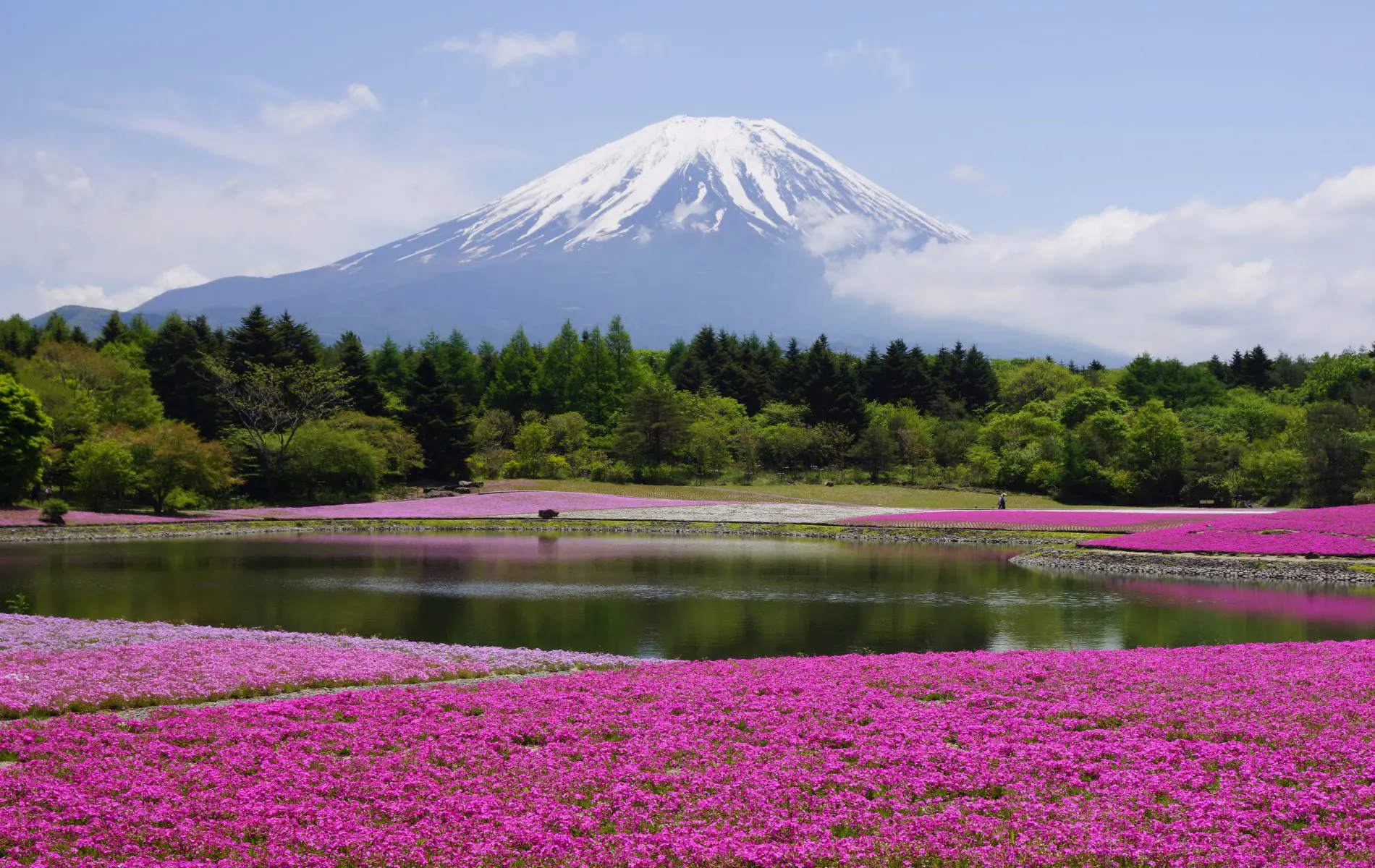
A guided tour of Japan typically runs Tokyo to Kyoto to Osaka, with stops at Mount Fuji, Hakone, Hiroshima, and Nara. Twelve days is the sweet spot, anything shorter feels like you're skimming, and the bullet train makes covering ground efficient enough that you don't need three weeks.
What you'll notice on day one is how quiet everything is. Trains are silent. Drivers wear white gloves. Vending machines sell hot coffee. The Japanese take small things (packaging, service, queueing) and turn them into a kind of national craftsmanship. You'll either love this or find it slightly disorienting. Most South Africans love it.
The food is exceptional, even if you're not a sushi obsessive. Ramen, tonkatsu, tempura, izakaya pub fare, there's far more than the stereotypes suggest. Tour groups eat plenty of Japanese meals and some Western ones, so you won't be wading through raw fish for two weeks if that's not your thing.
South Korea: energy, food, modern edge
A South Korea itinerary is usually 7 to 10 days, running Seoul to Busan to Gyeongju, often with a slip across to Jeju Island. The country is smaller and more compact than Japan, so the tour pace is faster and more urban.
Seoul is loud, neon, and addictive. Markets stay open past midnight. K-pop and Korean cinema have made it a destination in its own right for travellers under 40. The DMZ tour to the North Korean border is one of the most memorable half-days you will ever do.
Food in Korea is bolder than Japanese cuisine, more garlic, more chilli, more grilled meat at the table. Korean barbecue, bibimbap, fried chicken with beer, and the famous kimchi range. If you like food with attitude, Korea wins this round.
Visas, money, getting there
Japan is currently visa-free for South African passport holders for stays up to 90 days. South Korea requires a K-ETA (electronic travel authorisation) applied for online before you fly, straightforward, about 60 USD.
Flights from Johannesburg and Cape Town to Tokyo or Seoul usually route through the Gulf (Doha, Dubai, Abu Dhabi) or Singapore. Total travel time is roughly 18 to 22 hours door to door. Both countries are 6 to 7 hours ahead of South Africa, jetlag is real but manageable.
Rand-wise, Japan is the more expensive of the two on the ground. Korea is closer in feel to Eastern European pricing. Both tours are priced in Rands from us, so you only deal with day-to-day spend on local cards.
Which one for whom?
Pick Japan if: you've travelled before, you appreciate craft and ritual, you love cherry blossom photos and don't mind paying for them, and you want a tour that takes its time.
Pick Korea if: you want energy, food, nightlife, and a slightly cheaper, slightly faster trip. Also pick Korea if you have a teenager who's into K-drama, they will be a different person at customs on the way home.
Best of both worlds
Several Europamundo itineraries combine both countries into one 15-to-18-day tour. If you're flying that far, this is the most rational option, you arrive once, you leave once, and you get the contrast. Ask us which of these are running and when.
Need to cancel? We do a free date-move to another departure (no lost deposit. Both run as guaranteed departures) they go whether you're 4 or 44 on the coach.