Croatia has gone from "where's that?" to one of Europe's most popular tour destinations in about a decade. Game of Thrones helped (Dubrovnik = King's Landing). But the real reason is simpler: it's one of the most beautiful coastlines in Europe, the food is excellent, and the prices are still lower than Italy or Greece.
Here's how the 10-day Croatia tour through Europamundo actually plays out.
The route
Most variations run Dubrovnik → Mostar (Bosnia day trip) → Split → Plitvice National Park → Zagreb. 9 to 12 days. The coast section is the headline; the inland section is the surprise.
Dubrovnik: the showpiece
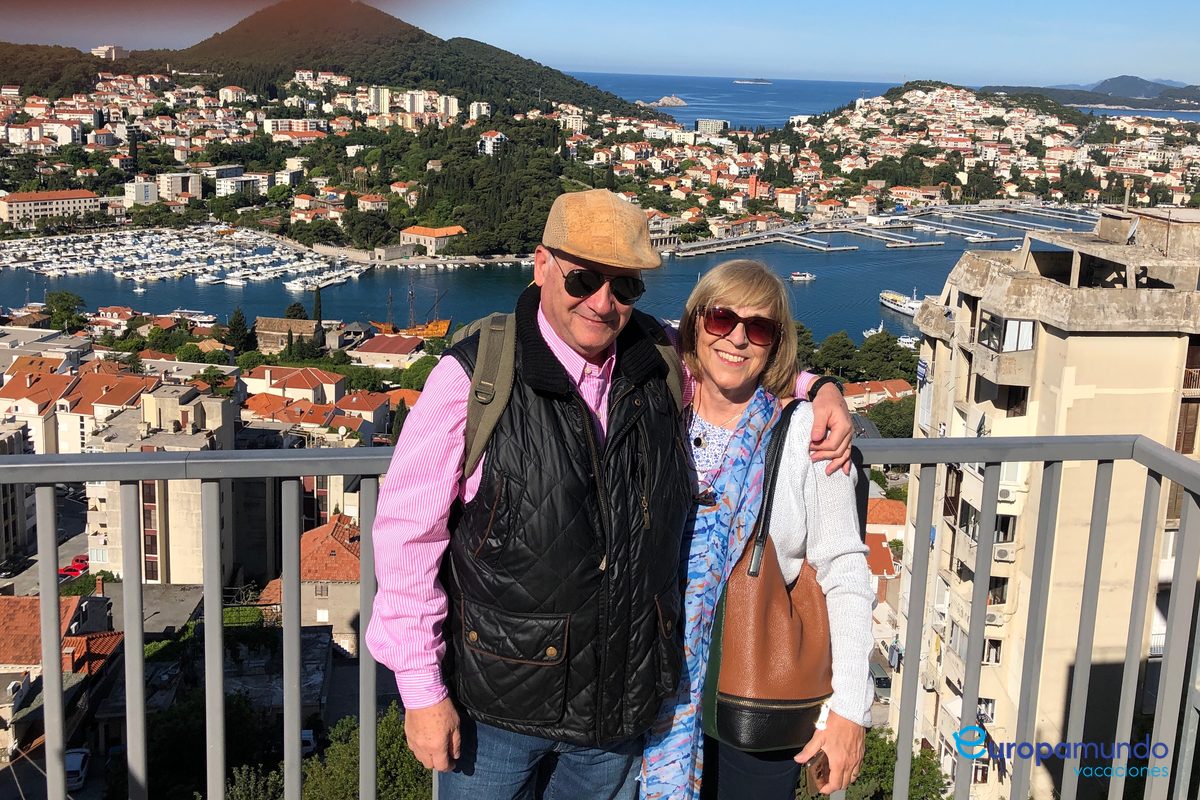
The walled old town is the most photographed thing in Croatia for a reason. Walk the city walls in the early morning (€35, takes 90 minutes, extraordinary). The cable car up Mount Srđ for the sunset view. Game of Thrones tour as optional if that's your thing. Don't eat in the old town itself, walk 10 minutes out for half the price.
Mostar (Bosnia)
The day trip out of Croatia, across the border to Bosnia & Herzegovina. The famous Stari Most bridge, blown up in 1993, rebuilt in 2004. The bridge divers (€10 to watch one jump). Bosnian food (burek, ćevapi, Turkish coffee. Pack your passport) this is a real border crossing.
Split: the Roman ruin you can live in
Diocletian's Palace, except people still actually live inside it. The whole old town of Split is built into and around a 4th-century Roman palace. It's surreal and wonderful. Riva promenade for the sunset. Day trip option to Hvar or Brač islands.
Plitvice Lakes
The surprise. 16 turquoise lakes connected by waterfalls, with wooden walkways. The single most photographed national park in Croatia. Half a day is enough but a full day is better. Bring proper walking shoes, the paths can be wet.
Zagreb
The inland capital. Less famous than the coast but a proper European city, coffee culture, museums, the Upper Town. One or two nights is enough.
What it costs from SA
- Land tour pp sharing: R26,000 to R36,000
- Flights JHB/CPT to Dubrovnik or Zagreb via Doha or Istanbul: R13,000 to R17,000
- Schengen visa: R2,200 per adult (Croatia is now Schengen as of 2023)
- On-ground spend: R15,000 to R22,000
- All-in couple: R110,000 to R150,000
When to go
May-June and September are peak. July-August is hot, expensive, and crowded, Dubrovnik particularly suffers from cruise ship overflow. October is still warm and quieter. November-March most of the coastal restaurants close.
The food
Coastal Croatian food is essentially Italian with Slavic influences, grilled fish, pasta, olive oil, tomatoes. Inland food is heartier (stews, sausage, cabbage). Wine is excellent and underrated, try the Plavac Mali from Pelješac. Olive oil is some of the best in the Mediterranean.
Practical tips
- The Croatian currency is now the Euro (since 2023). Easy.
- Pack swimwear for nearly every day, most coastal stops have swimming opportunities
- Sun protection is critical, the limestone reflects, you'll burn faster than you expect
- Buy your local lavender oil products in Hvar rather than tourist shops
For Mediterranean comparison, see our Greek Islands cruise combo. For first-time travellers, our first-time guide to Europe still applies. Browse all Europe tours.